

Using your child’s natural language to support their mental health
Play therapy can be beneficial for..
developing a sense of self
processing big emotions
processing difficult things from the past
working through difficult relationships or scenarios
conceptualizing boundaries
developing language
increasing self-regulation
understanding various emotions
supporting communication
Meeting your child where they are at
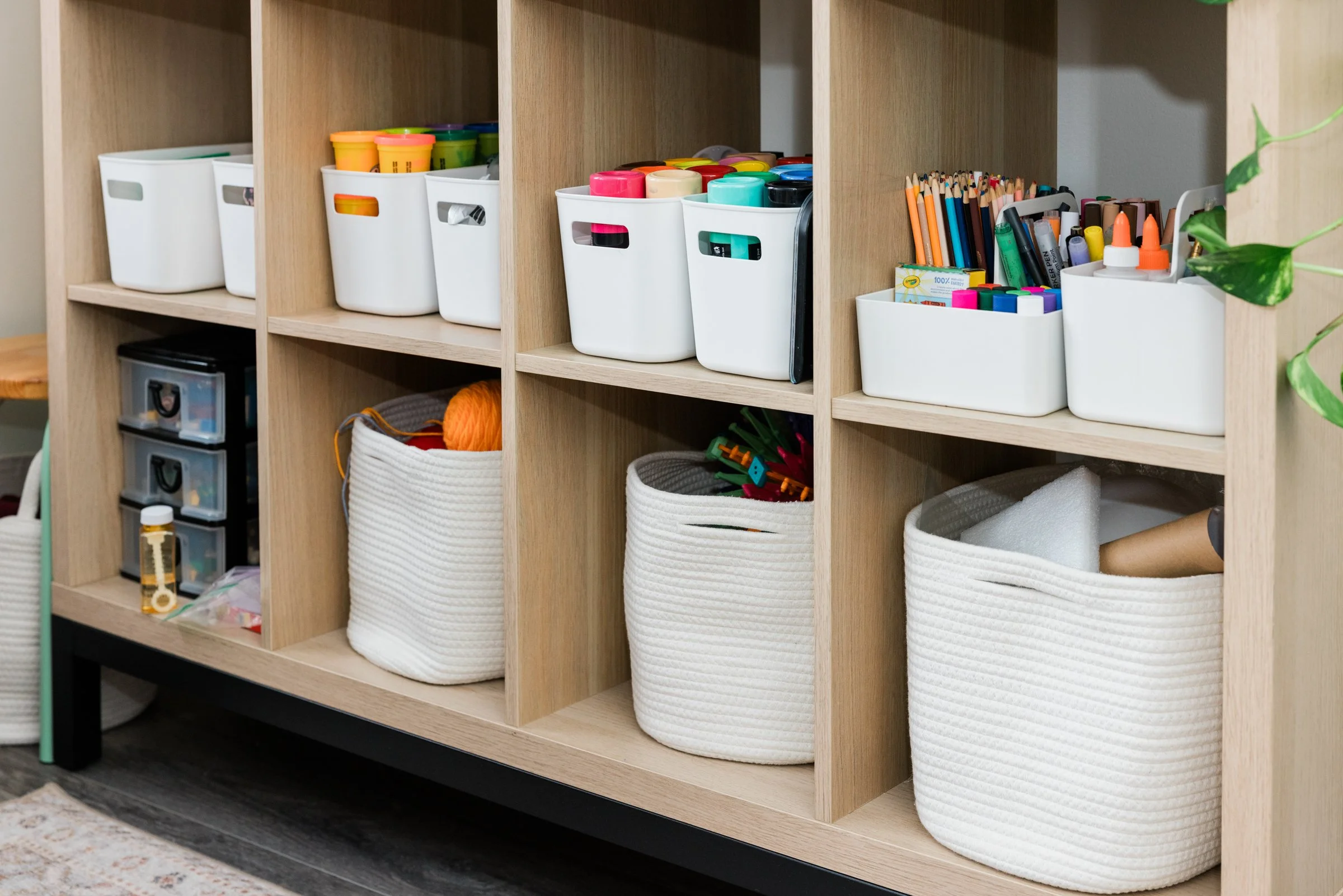
Children’s first language is play and it is often the space where they feel most comfortable. Allowing children to engage in therapy in a way that is both comfortable and inviting allows for deeper processing, understanding, and growth. Often play therapy is child led, allowing the child to explore and discover the things that are important to them or bothering them the most. Our therapy rooms are stocked with a variety or play therapy supplies so that your child feel comfortable engaging in the therapy process. Through play therapy, children learn to express their thoughts and feelings in appropriate ways, learn about the feelings of others, learn ways of controlling their own behavior, and learn how to solve problems they encounter. Our therapists who engage in play therapy have advanced training and adhere to the standards set by the Association for Play Therapy.

Common Questions
Will my child just play?
Play is very important to children. While your child will be playing, your child’s therapist’s will pay attention to what toys and metaphors your child is engaging in within the therapy space. They will guide and support your child with their play to engage in therapeutic goals.
Do I come into the session with my child?
Generally, no. If you would like to have a joint session with your child, please reach out to your child’s therapist. They would be happy to schedule a time for you and your child to engage in therapy together.
How can I support my chld at home?
What a wonderful question! Our therapists regularly meet with parents to go over treatment goals, progress, and parenting concerns. Your child’s therapist will help support you in developing strategies to use at home with your child.